
How might stem cells and stem cell medicine shape our lives, both now and in the future? This double exhibition, presented across Medicinsk Museion and Politiken’s Forhal, explores this question through a combination of contemporary art, historical objects, and stem cell research.
Biological shapeshifters
Stem cells are biological shapeshifters: They can copy themselves and transform into many different cells. Stem cells live inside all of us and play a crucial role in our development from fertilised egg to adult, and in the maintenance and repair of our bodies throughout life. Through new stem cell technologies, researchers can grow, manipulate, and even reprogram human cells in ways that once belonged to the realms of imagination. The body is becoming an increasingly fluid and flexible material, grown in flasks and petri dishes, taken apart, and recombined in new ways. These scientific developments echo long histories of medical experimentation, and also spark artistic imagination.
When Art Asks Questions
The exhibition invites visitors to reflect on how society navigates the opportunities and dilemmas posed by stem cell research. Stem cells hold enormous medical potential—but they also raise questions: What is possible? Where are the boundaries? And who decides where the boundaries lie?
New artworks and historical objects
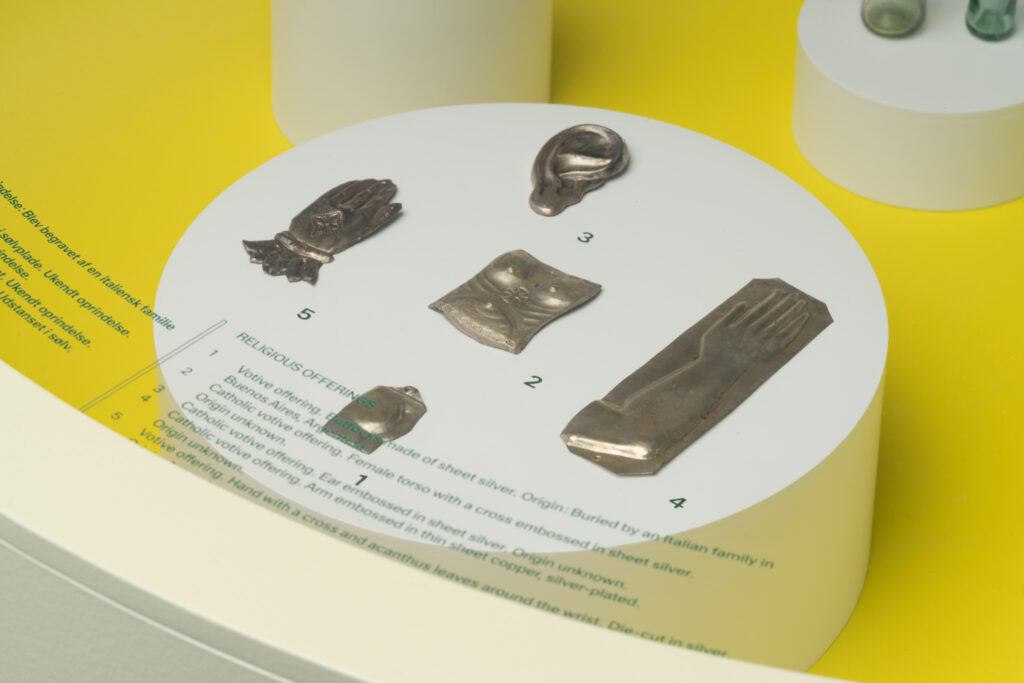
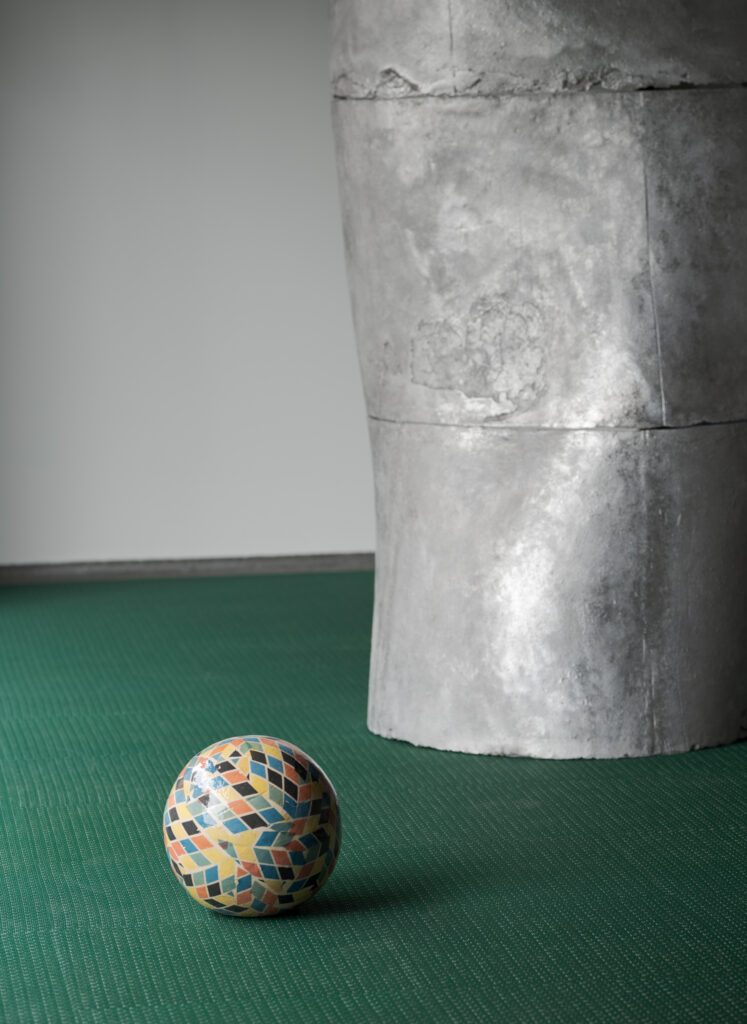
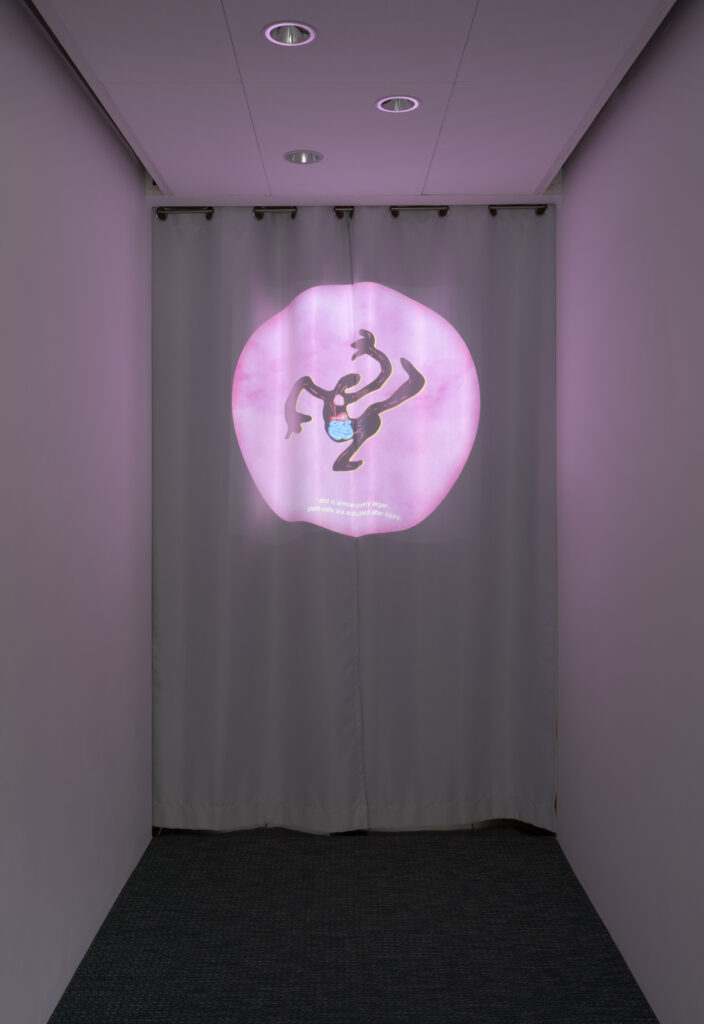
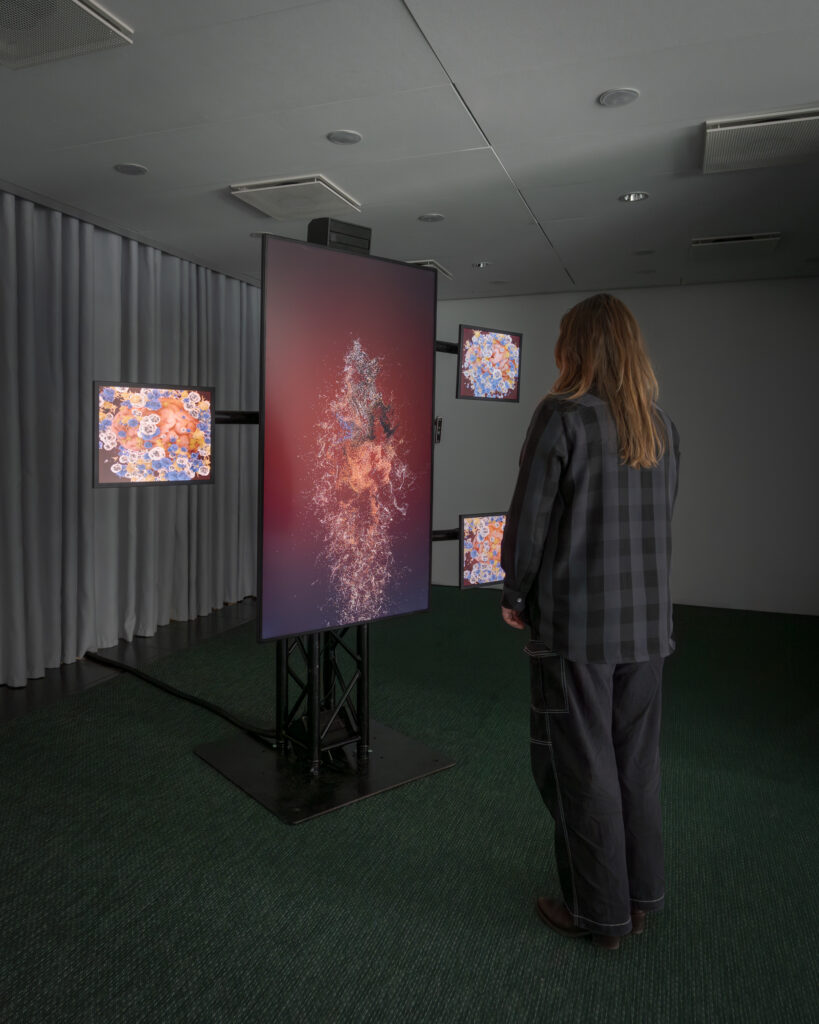
In Liquid Bodies, new artworks by Charlotte Jarvis, Jens Settergren, Davide Hjort di Fabio, and Cecilie Waagner Falkenstrøm emerge from close dialogue with social scientists and stem cell researchers at the Novo Nordisk Foundation Center for Stem Cell Medicine, reNEW. Using materials ranging from aluminium and mosaic to digital media and the artist’s own cells, the artworks investigate the stuff of the body: shaped by hope as well as technology, entangled with our identities. In addition to contemporary art, the exhibition also includes historical objects from the collection of Medical Museion. Among them are items connected to the physician and cancer researcher Albert Fischer (1891–1956), magical amulets once believed to protect against illness and misfortune, and a collection kit for umbilical cord blood and tissue used by private stem cell banks.


About the artists:
Charlotte Jarvis (b. 1984) works at the intersection of art and science, creating works that question how we understand the body, gender, and biology. She often uses living, biological material to explore how the body can be reimagined through new biotechnologies. For example, she has extracted stem cells to develop “female” sperm, cultivated her own cancer cells, and grown a shared uterus in collaboration with cis women, non-binary, and trans individuals.
Davide Hjort Di Fabio (b. 1990) primarily works with sculpture—often modeled on his own body—as an investigation and transformation of the body and its interfaces with the world around it. The fluid and organic expression of his works explores questions of identity, body, and gender, while simultaneously emphasizing the body’s fundamental mutability as a source of creativity, renewal, and self-understanding.
Jens Settergren (b. 1989) examines, through video, sculpture, sound, and installation, the power that images and symbols have to shape our collective understanding of reality—particularly in fields such as medicine and natural sciences. He often transforms iconic or commercial motifs into something more ambiguous, open, or directly unsettling through a playful engagement with materials, visual references, and cultural codes.
Cecilie Waagner Falkenstrøm (b. 1984) works at the intersection of contemporary art and new digital technologies, including artificial intelligence, machine learning, and 3D modeling. Through interactive works and AI-driven experiences, she explores humanity’s relationship with technology, identity, and the cosmos—creating spaces for reflection and dialogue on human existence, both now and in the future.
This exhibition is part of the international project Hope Springs Eternal, anchored in reNEW’s social science research group (PREPARE) at the Novo Nordisk Foundation Center for Stem Cell Medicine, reNEW.